2026 is Southeast University’s ‘Year of Internationalization’. From 10 to 23 August, the School of Electronic Science & Engineering, Southeast University, organised a group of students to take part in a summer academic research programme at the University of Cambridge in the United Kingdom. Led by Prof. Zhang Ruohu from the School, the programme centred on ‘AI + Interdisciplinary Research and Applications’. Through academic courses, specialist workshops, group research, project assessment and cultural exchange, it enabled students to broaden their horizons at the forefront of electronic and information science, while strengthening their research practice, English communication and cross-cultural collaboration skills.
Alongside their coursework and group research projects, students from the School also formed the SEU School of Electronic Science & Engineering UK Science and Culture Practice Delegation. The delegation carried out a summer social-practice programme under the theme‘Chips Illuminate Britain, Technology Carries Culture Forward — An Overseas Showcase of SEU’s Frontier Electronics and Cultural Exchange’. Students took an active part in international classes and exchanges with young people, while producing both academic and practice-based outcomes in support of the University’s goals for internationally oriented talent development.
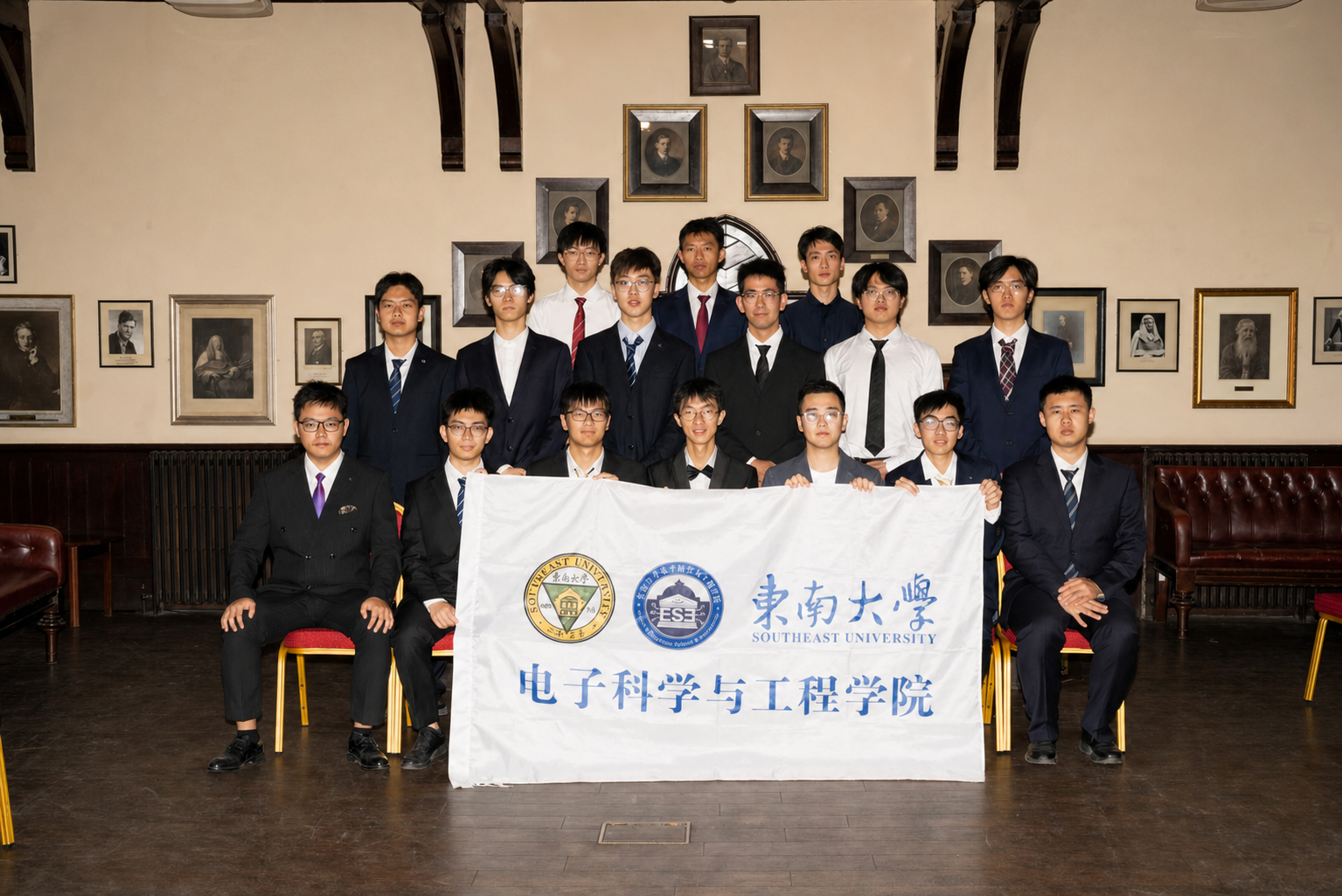
Figure 1 The delegation from the School of Electronic Science & Engineering at the Cambridge Union
An Academic Beginning: Exploring the Frontiers in Cambridge Classrooms
The programme officially began at the University of Cambridge on 11 August. The opening session introduced Cambridge’s academic traditions, collegiate system and the programme schedule. Students then took part in specialist lectures, three workshops and a series of exchanges with academics, immersing themselves in a fast-paced, English-medium and interdisciplinary research environment.
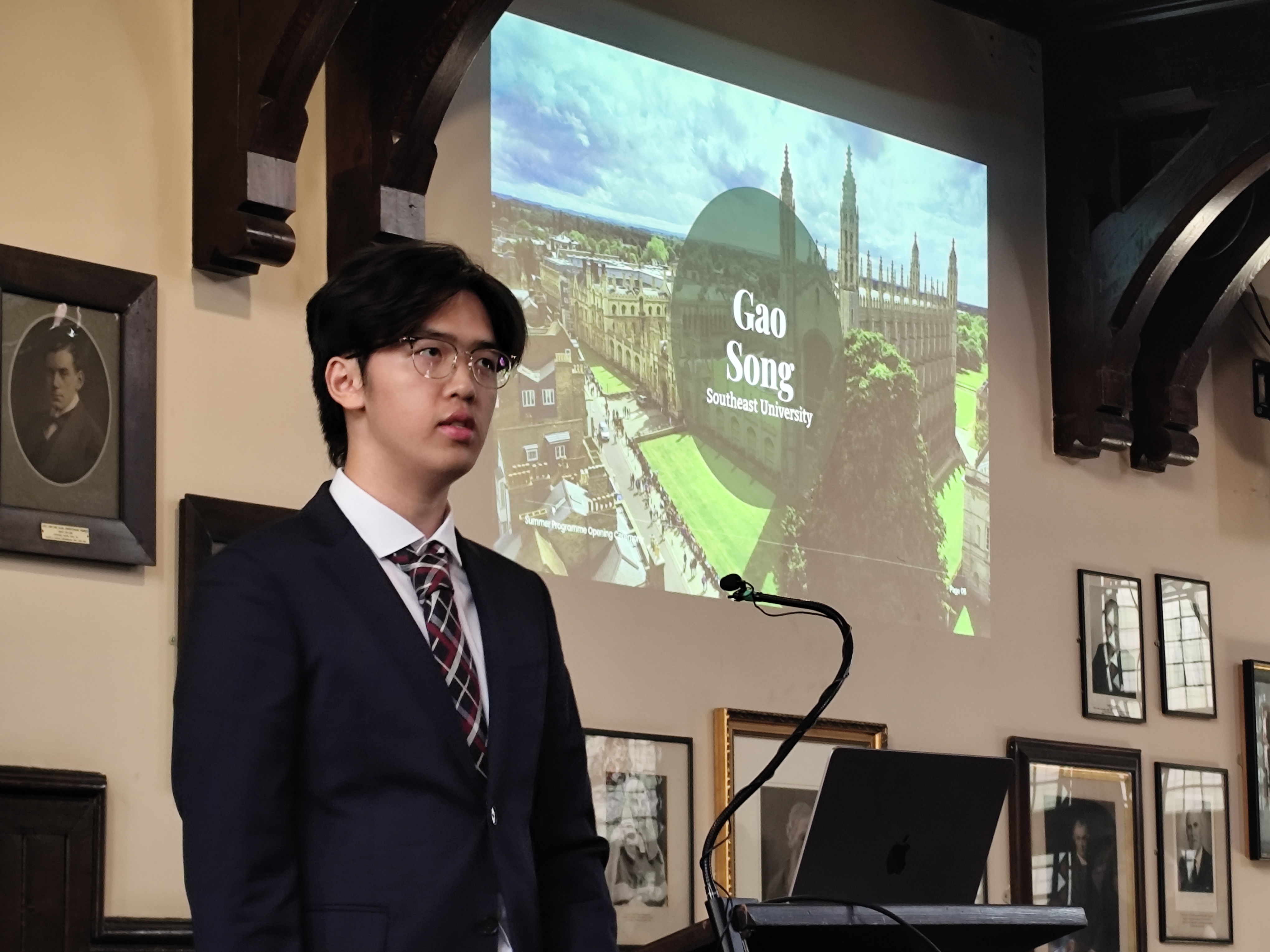
Figure 2 Undergraduate Gao Song speaks at the opening ceremony
The core course was taught by Professor Colm Durkan, Head of the Department of Engineering at the University of Cambridge and a Fellow of the Royal Academy of Engineering. Covering electronic systems, intelligent devices and applications of artificial intelligence in electronic engineering, the course began with fundamental principles, engineering challenges and research methods, guiding students to assess the feasibility and practical limits of technical solutions. Through questioning, case discussions and hands-on guidance, Professor Durkan asked students to explain where a problem came from, the technical route they proposed and the evidence used for validation. This helped students appreciate that frontier innovation depends not only on technological breakthroughs, but also on clear communication, interdisciplinary collaboration and the ability to respond to genuine needs.
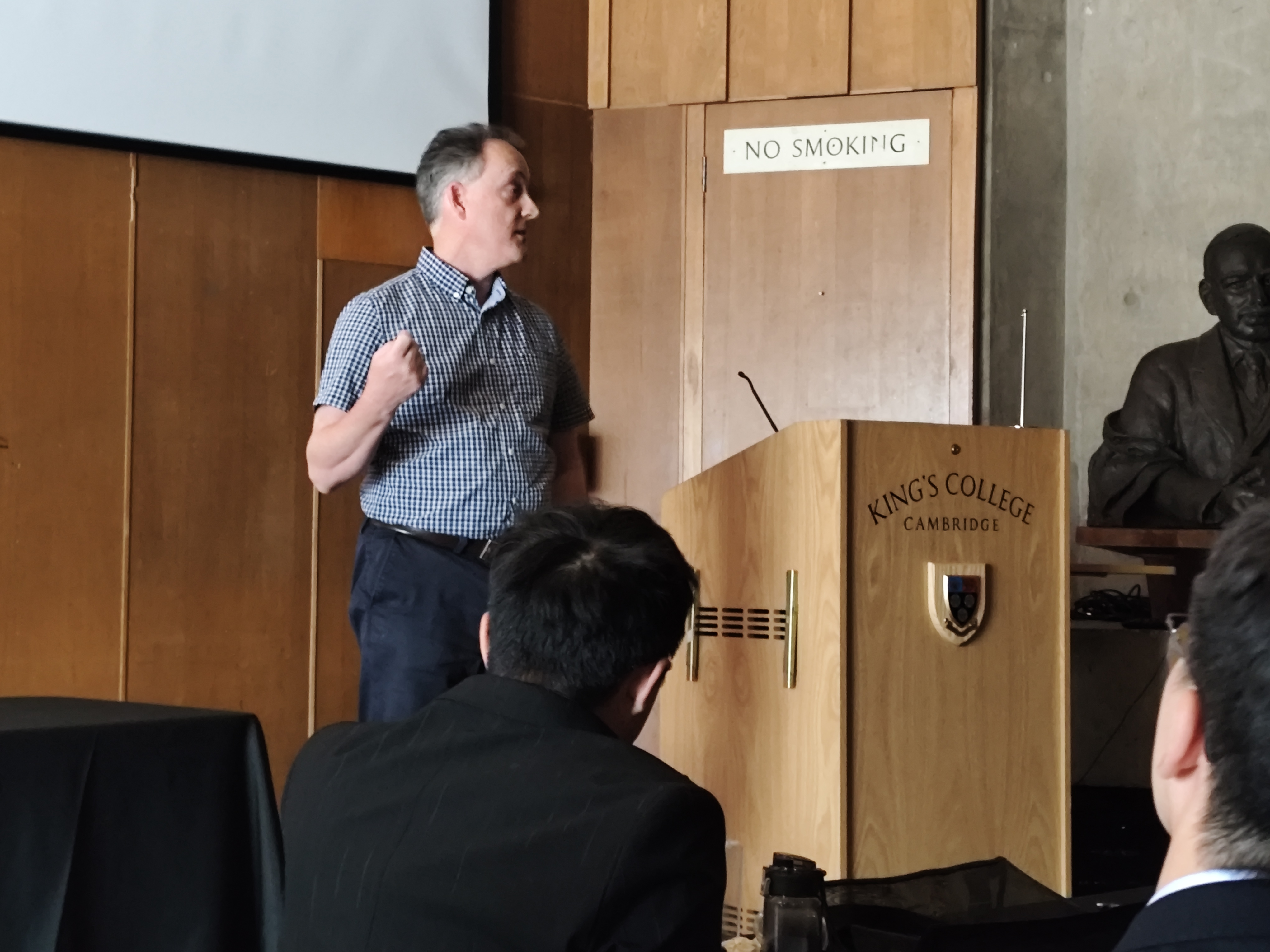
Figure 3 Professor Colm Durkan teaches students on the programme
Collaborative Problem-Solving: Advancing Research through Project-Based Learning
Beyond the taught course, the programme included three rounds of group study, interwoven with the workshops. Students formed teams around topics at the intersection of artificial intelligence and electronic systems. With guidance from the professor, they discussed research questions, reviewed relevant literature, divided tasks, designed solutions and carried out staged validation. Students from different academic backgrounds repeatedly examined technical applications, project collaboration and the presentation of results, turning classroom knowledge into research plans that could be tested.
Group work emphasised participation throughout the entire process. Within a limited timeframe, members had to define research questions, coordinate work on algorithms, hardware, validation and presentation, and revise their plans in response to interim results. Faced with challenges including specialist terminology, communication in English and coordinating progress across tasks, the students gradually reached consensus through focused discussion and cross-checking of assigned work. In the process, they strengthened their abilities in literature review, engineering analysis and team management.
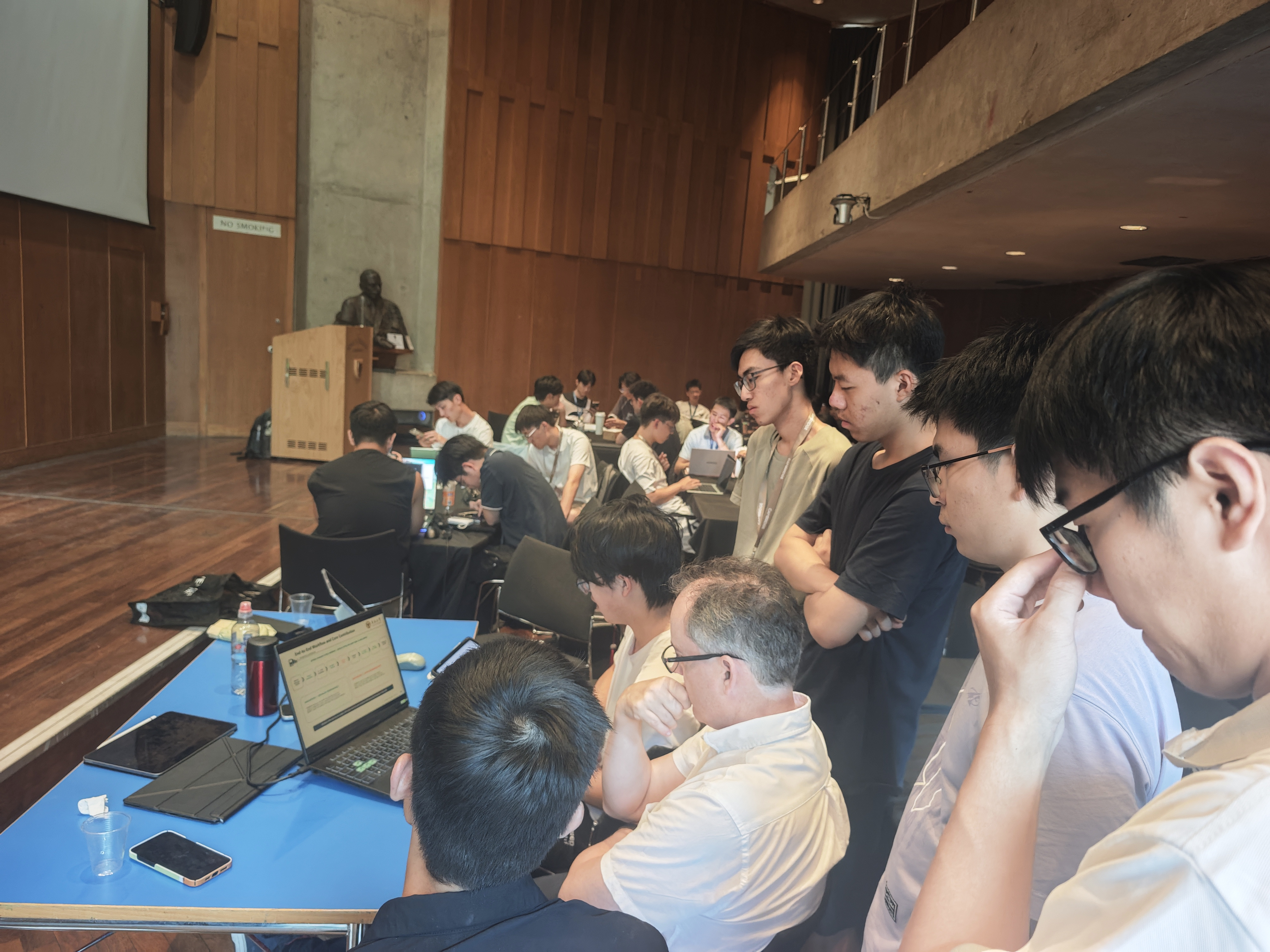
Figure 4 Students take part in group study under the guidance of Professor Colm Durkan
Presenting Results: Putting Academic Training to the Test in an International Classroom
On 21 August, the programme moved into its project-assessment stage. Each group presented its research objectives, system architecture, division of responsibilities and experimental or simulation results in English, before responding to questions from the professor and fellow students. The presentations not only assessed the teams’ interim outcomes, but also required them to turn complex technical work into academic communication that was clearly structured and well supported by evidence.
In the final presentations, students showcased their proposed solutions and validation processes on topics including AI-assisted electronic-system design. From defining the problem and building prototypes to functional verification and analysis of results, each team developed a coherent account of its work. The subsequent discussion further reinforced a key lesson: research outcomes must withstand scrutiny in terms of technical feasibility, supporting data and the logic of their presentation.
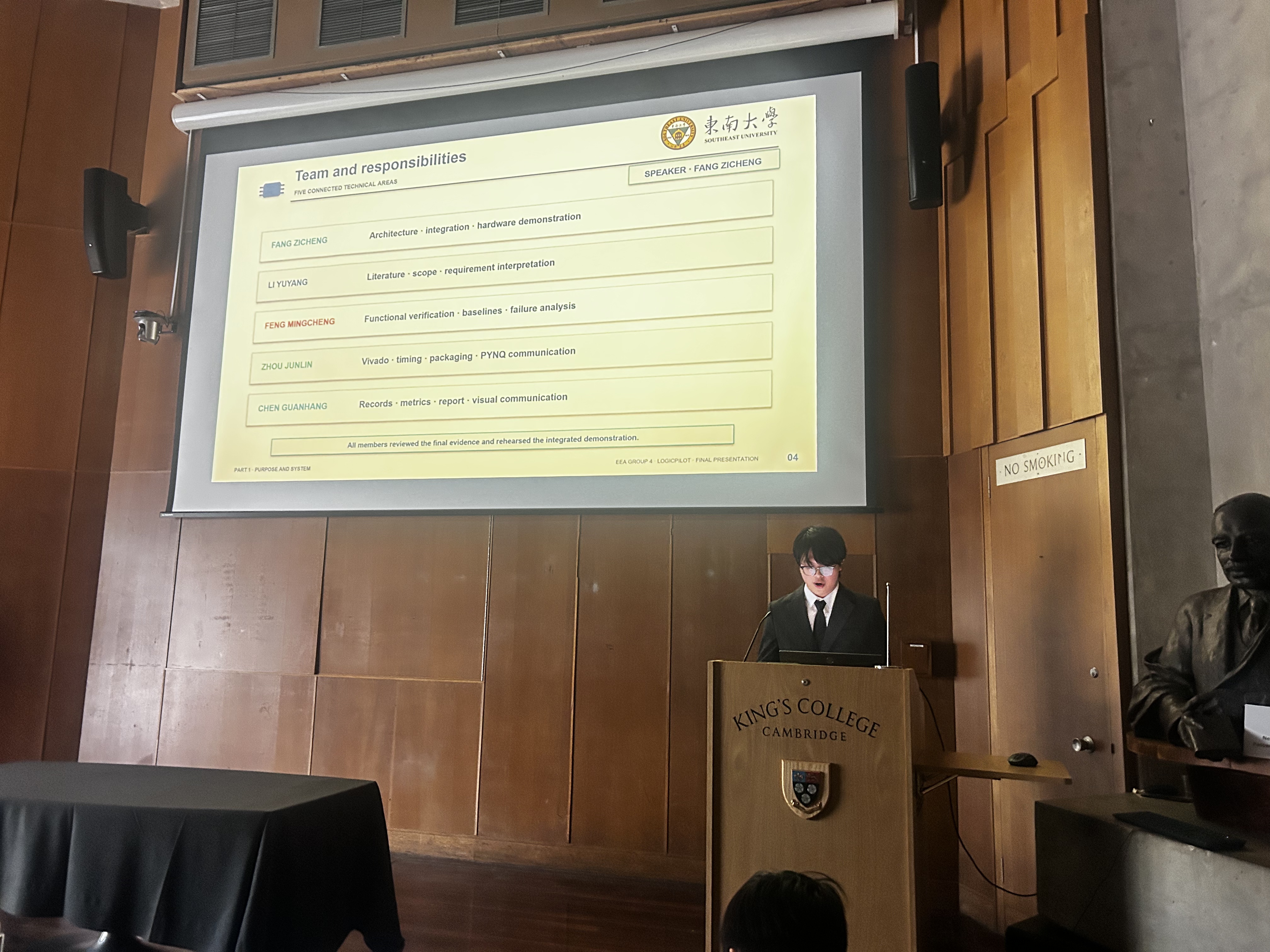
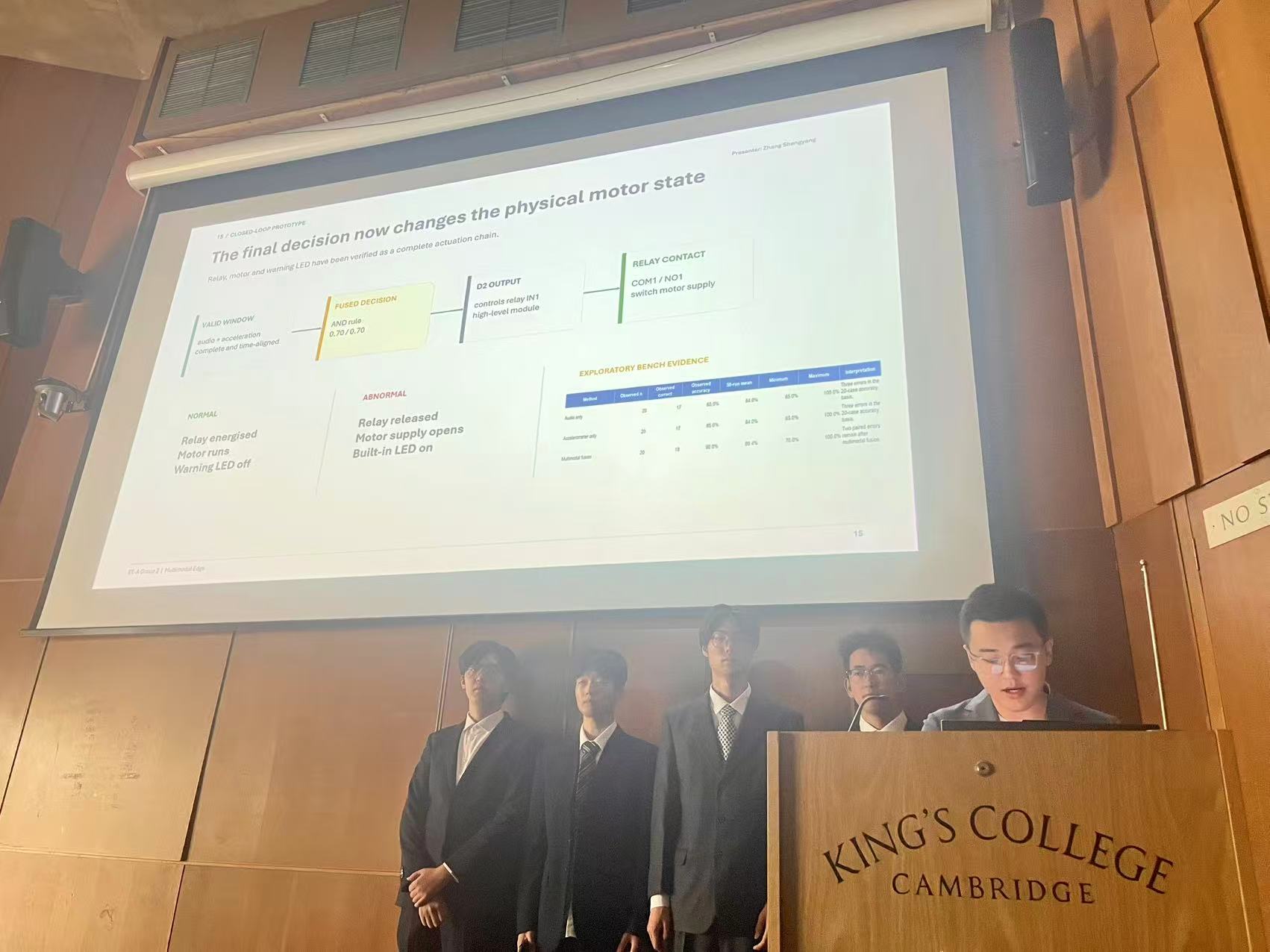
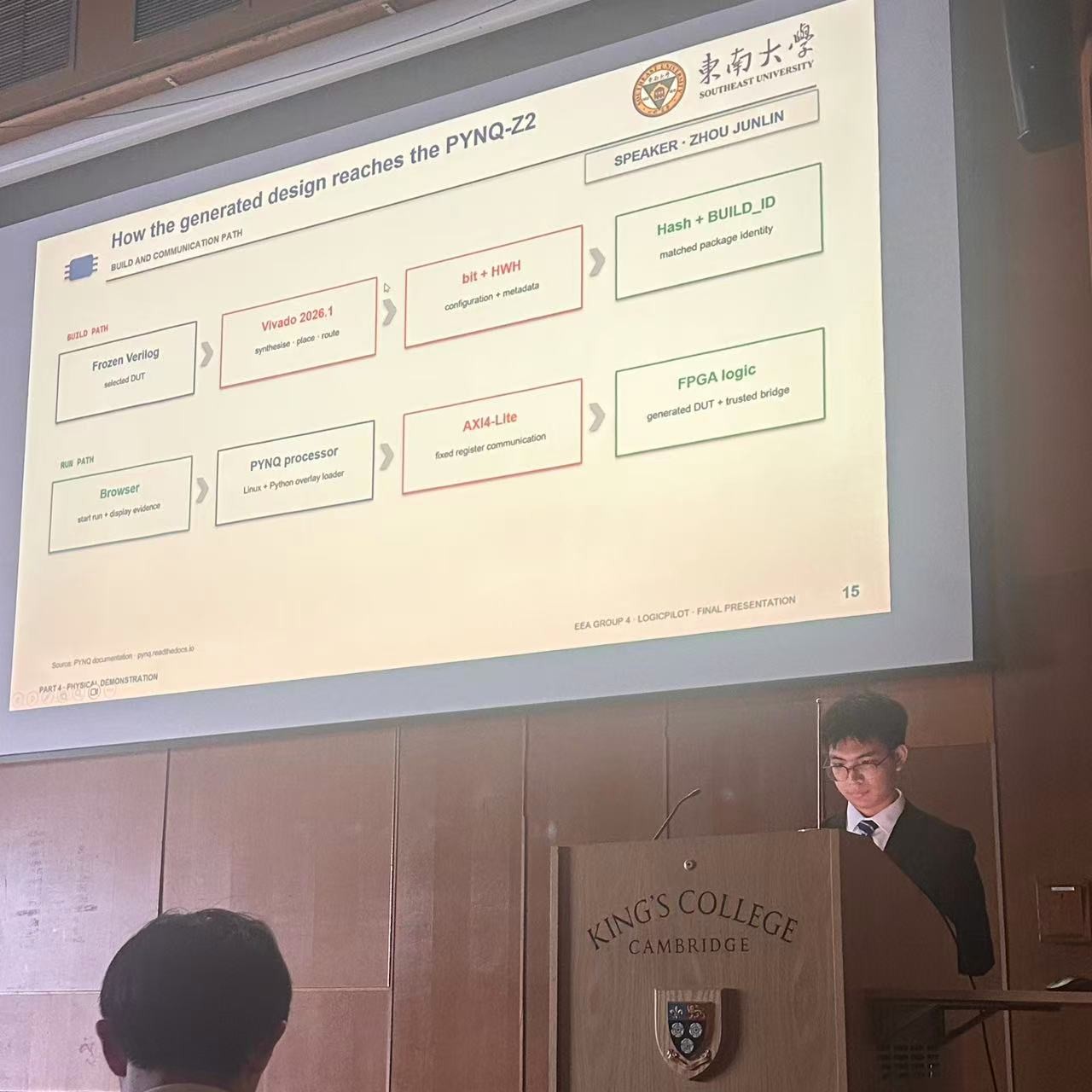
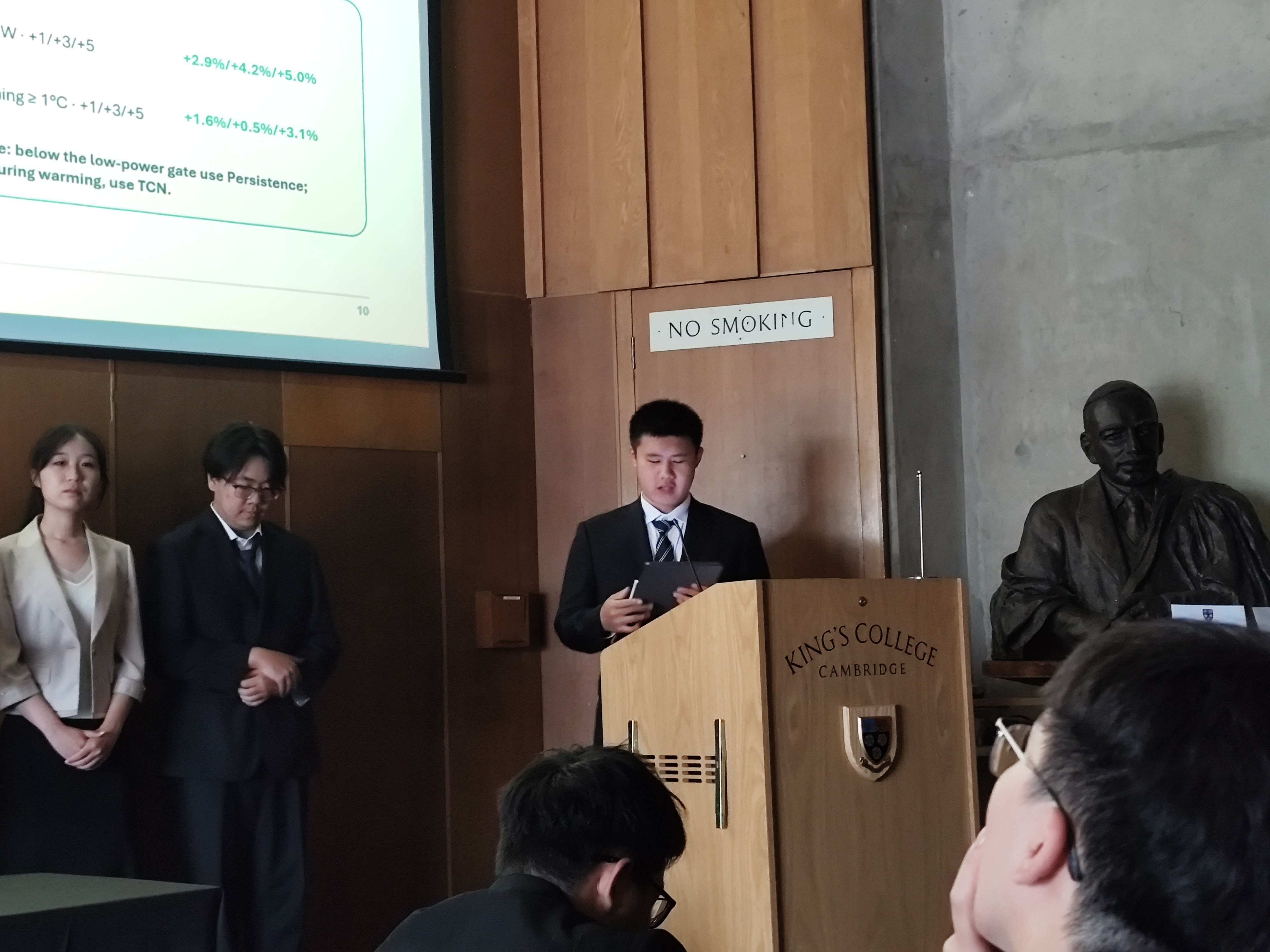
Figure 5 Students present their group research outcomes
Chips as a Bridge: Connecting Young Minds
Alongside the academic research programme, the SEU School of Electronic Science & Engineering UK Science and Culture Practice Delegation carried out its summer social-practice activities. With guidance and support from Mr Rui Guanghao, Mr Wang Binghao and Mr Wang Haoyang of the School, and under the leadership of Mr Zhang Ruohu, the delegation held in-depth exchanges with young people in Cambridge on innovation and entrepreneurship, frontier technologies, art and culture, and organised a China–UK Youth Science and Culture Exchange Salon.
Members of the delegation came from a range of academic backgrounds, including Electronic Science and Technology and the dual-degree programme in Japanese and Electronic Science and Technology. During the exchange,practice delegation leader Fang Zicheng drew on his experience leading the national-level SRTP project ‘Multimodal Haptic Interaction Gloves for VR Environments’, while delegation member Feng Mingcheng shared insights from his involvement in the provincial-level SRTP project ‘Multimodal Biomimetic Intelligent Companion Robot’. Together, they discussed innovation and entrepreneurship training from identifying a problem and validating a prototype to team collaboration and presenting outcomes. They also explored wearable electronics, future communications, research translation and cross-cultural collaboration with young people in Cambridge. The China–UK Youth Science and Culture Exchange Salon brought scientific and cultural exchange together, allowing perspectives from different disciplines to spark new ideas through dialogue.
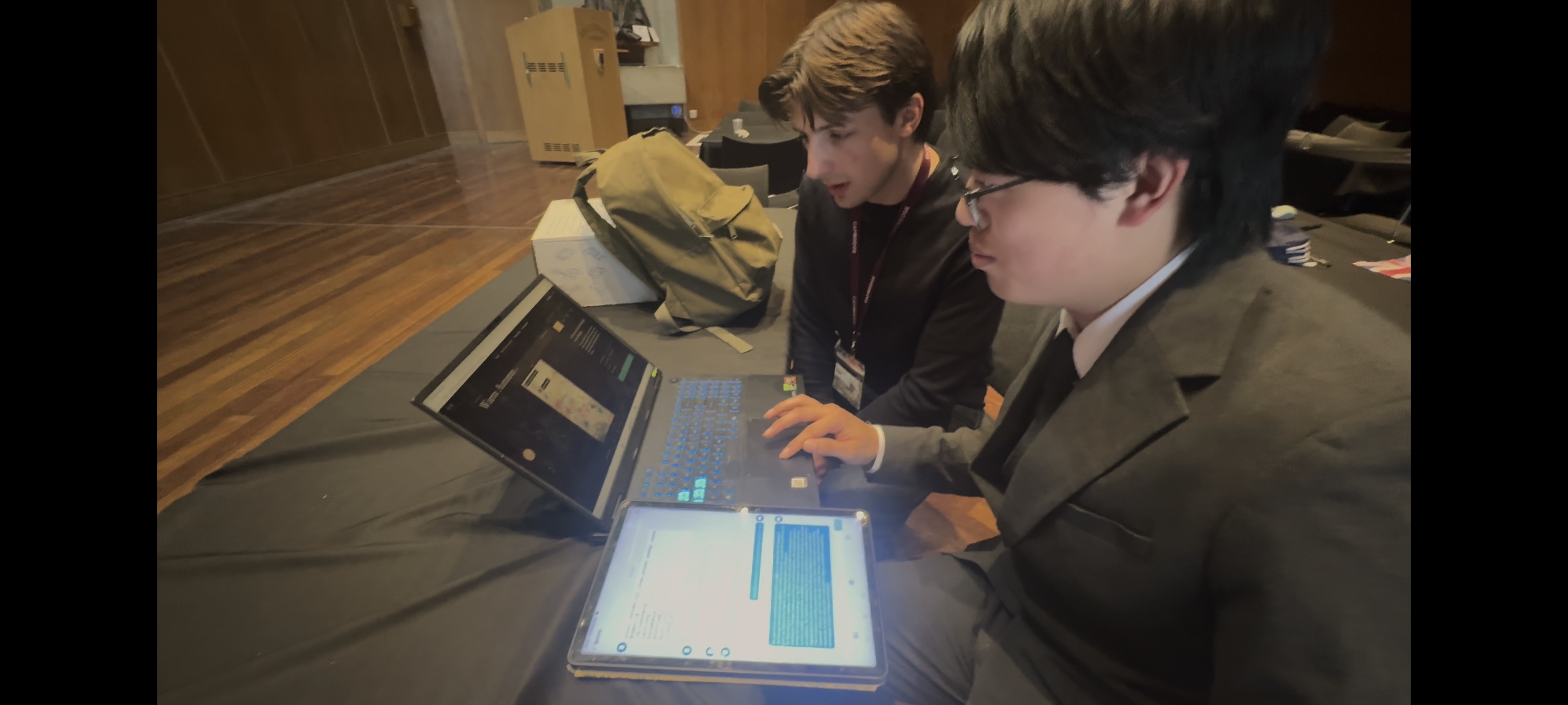
Figure 6 Members of the delegation introduce Chinese flower-and-bird painting to Cambridge students
The closing ceremony was held in the Cambridge Union chamber on 22 August. Speaking on behalf of the participants,practice delegation leader Fang Zicheng introduced some of Southeast University’s frontier achievements in areas such as 5G and optoelectronics, and reflected on the team’s experience of scientific exchange, innovation in practice and cross-cultural communication. Founded in 1815, the Cambridge Union has a history of more than two centuries. Former British Prime Minister Winston Churchill took part in debates there; former US President Theodore Roosevelt visited the Union; and former US President Ronald Reagan delivered an address there. In this historic debating chamber, the team gained an even stronger appreciation of the importance of clear argument, reasoned discussion and cross-cultural communication.
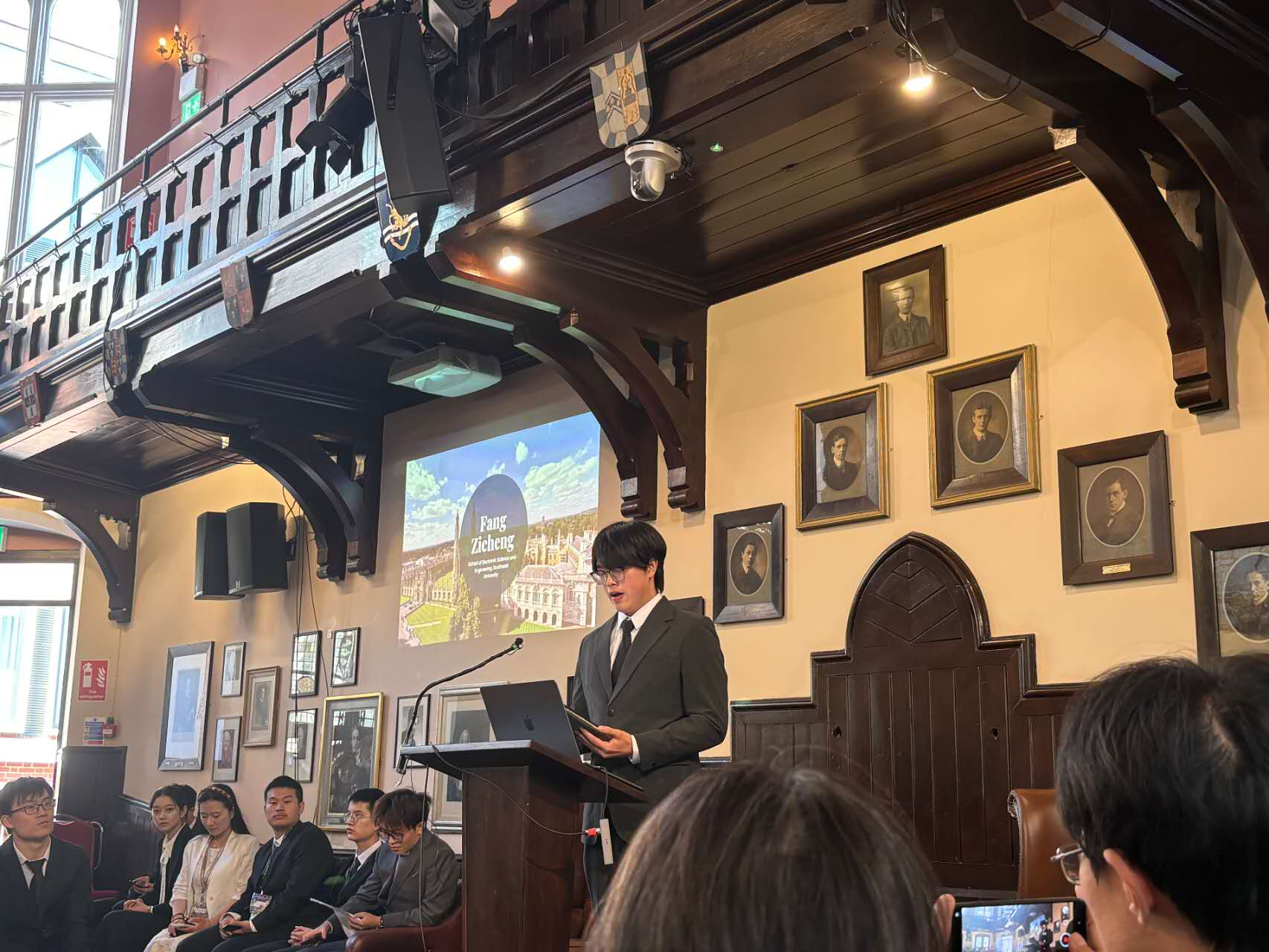
Figure 7Practice delegation leader Fang Zicheng speaks at the programme’s closing ceremony
Building Digital Bridges: Turning Short-Term Exchange into Lasting Outcomes
To ensure that a short-term exchange could generate lasting outcomes, the delegation independently developed ‘ChipBridge’, a bilingual interactive digital exhibition platform. Modelled conceptually on Cambridge’s bridges, the platform includes modules such as a bilingual introductory hall, the ‘Academic Starbridge’, ‘Cambridge & SEU’, and the ‘ChipLight Lab’. The ‘Academic Starbridge’ uses an interactive star map to connect research papers from the University of Cambridge and Southeast University in related fields. Users can browse papers by research area and identify potential points of scholarly convergence through the visual links between them.
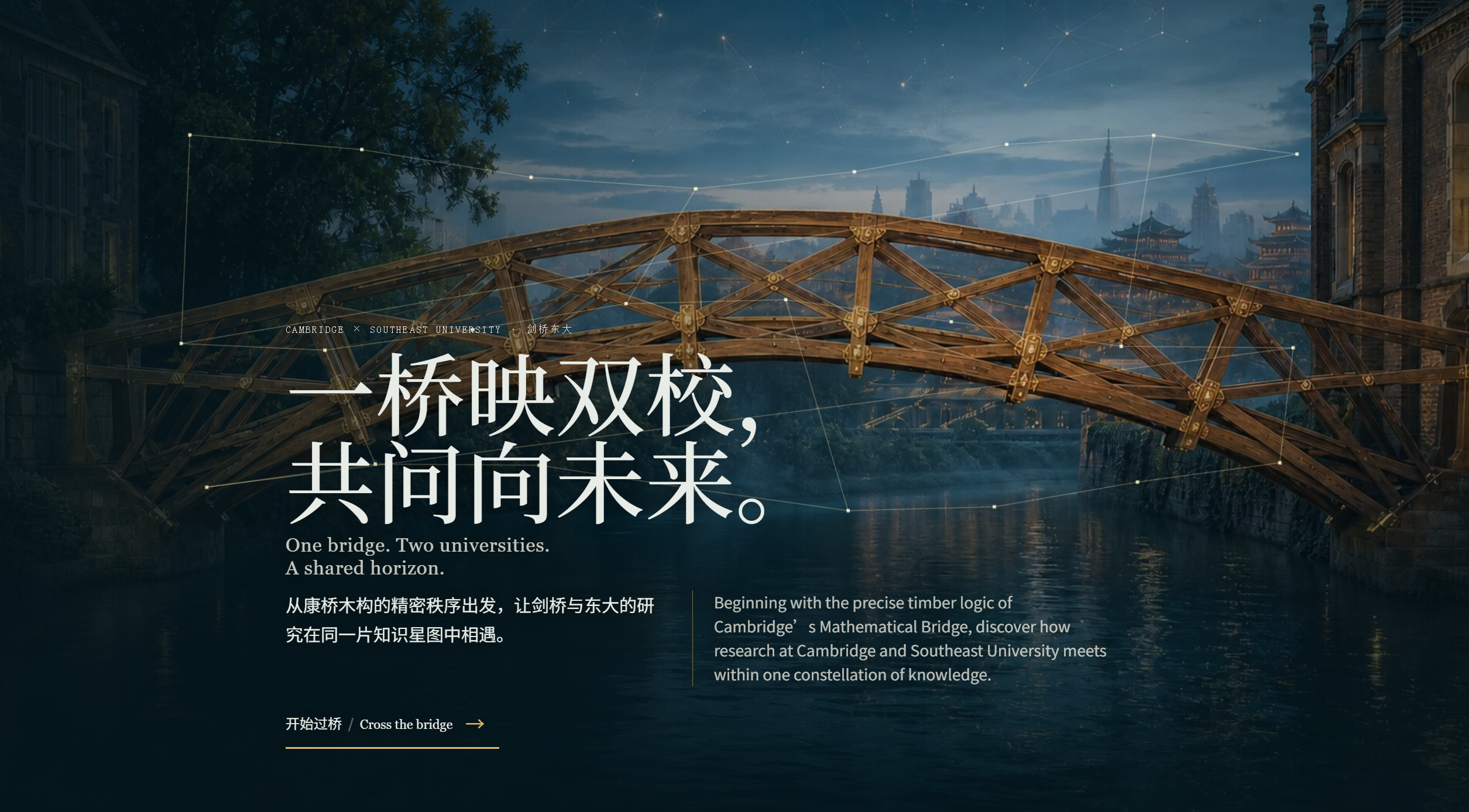
Figure 8 Homepage of the delegation’s independently developed ‘ChipBridge’ bilingual interactive digital exhibition
The delegation also obtained digital rights to works by Ms Lü Shaoying, a member of the China Artists Association, and independently developed a bilingual interactive digital exhibition devoted to Chinese flower-and-bird painting. The exhibition provides guidance in both Chinese and English and embeds interactive knowledge points within the paintings. Visitors can click on elements such as flowers and birds to learn about composition, colour, imagery and painting techniques, extending the digital presentation of traditional art without altering the original works.
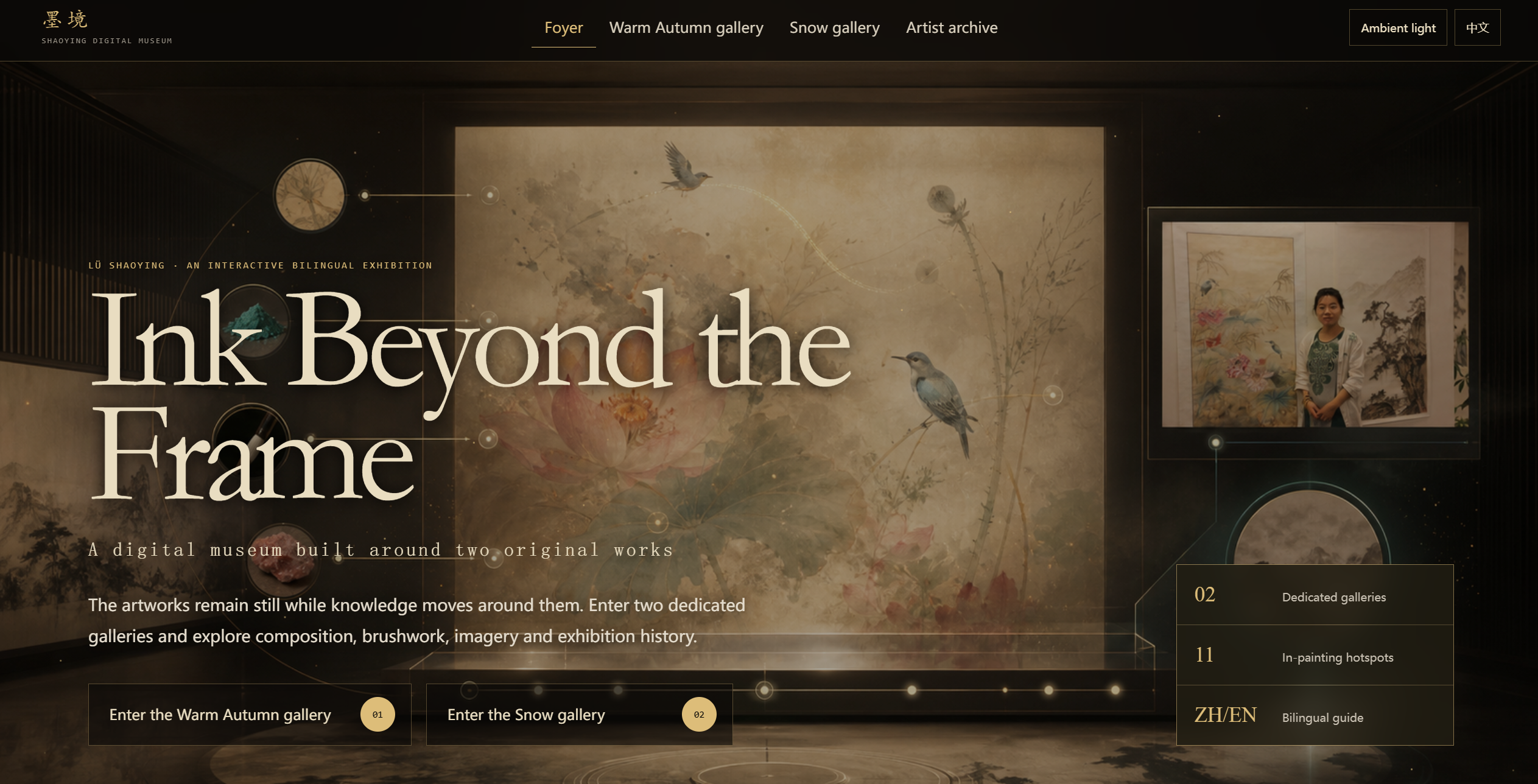
Figure 9 Homepage of the delegation’s independently developed bilingual interactive digital exhibition on flower-and-bird painting
Around these two digital outputs, the team linked course-based learning, youth exchange and the organisation of research materials. In ‘ChipBridge’, papers from Cambridge and Southeast University are organised by research area; in the flower-and-bird painting exhibition, bilingual guidance and interactive hotspots present knowledge about the works. Both can continue to be used in future displays and exchanges, turning the gains of a short-term programme into reusable digital resources.
Cultural Experience: Understanding Openness and Exchange in Historic Settings
Alongside the intensive academic programme, students took part in punting on the River Cam, a visit to London, exploration of Cambridge and a formal dinner. Through Cambridge’s college buildings, urban spaces and traditional customs, they gained a deeper understanding of the University’s history and collegiate culture, while developing cross-cultural communication skills through everyday interaction. These cultural experiences complemented their academic training, enabling them to observe British higher education and student life from the perspectives of the classroom, the university and wider society.
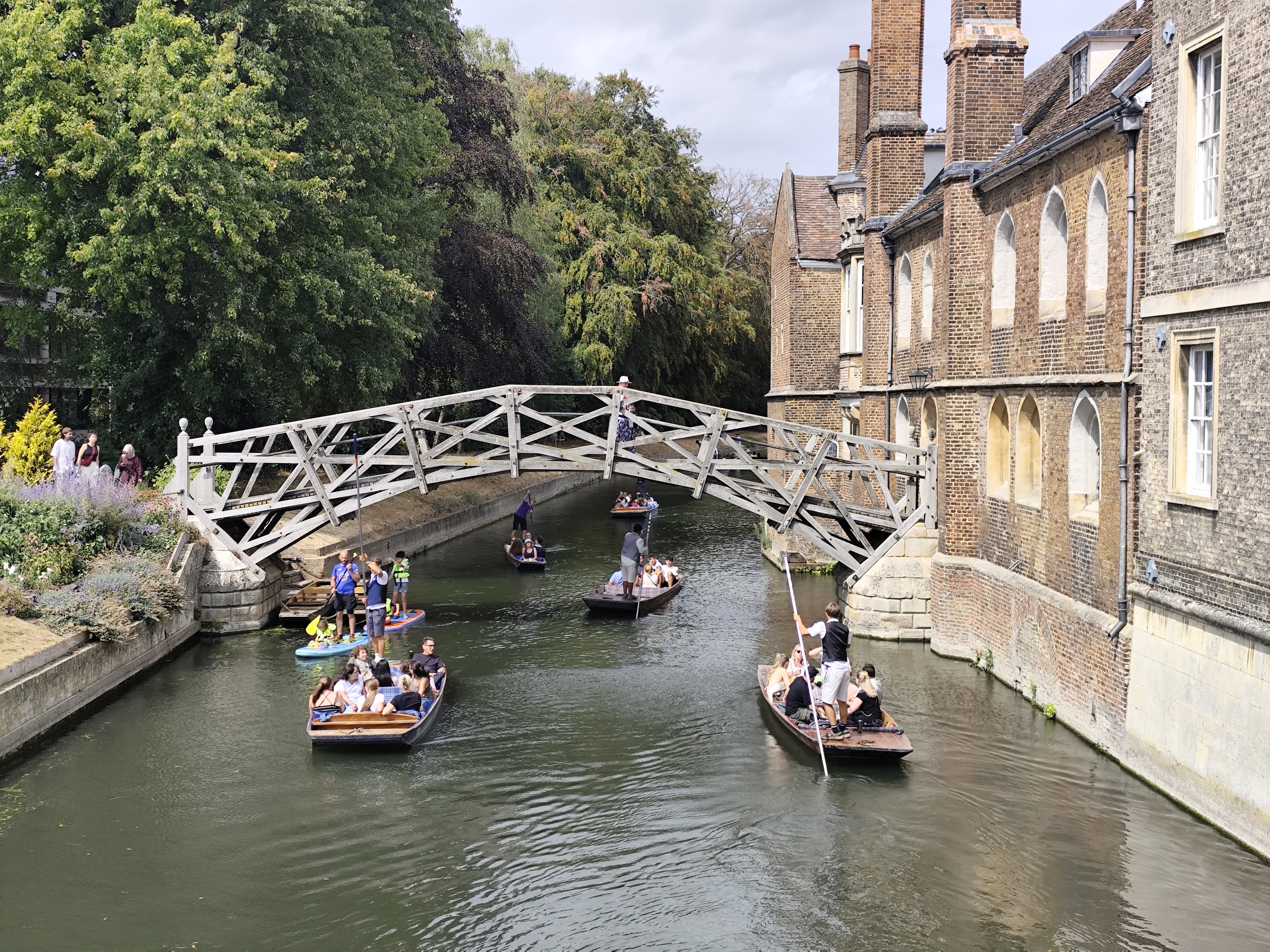
Figure 10 The River Cam and the Mathematical Bridge
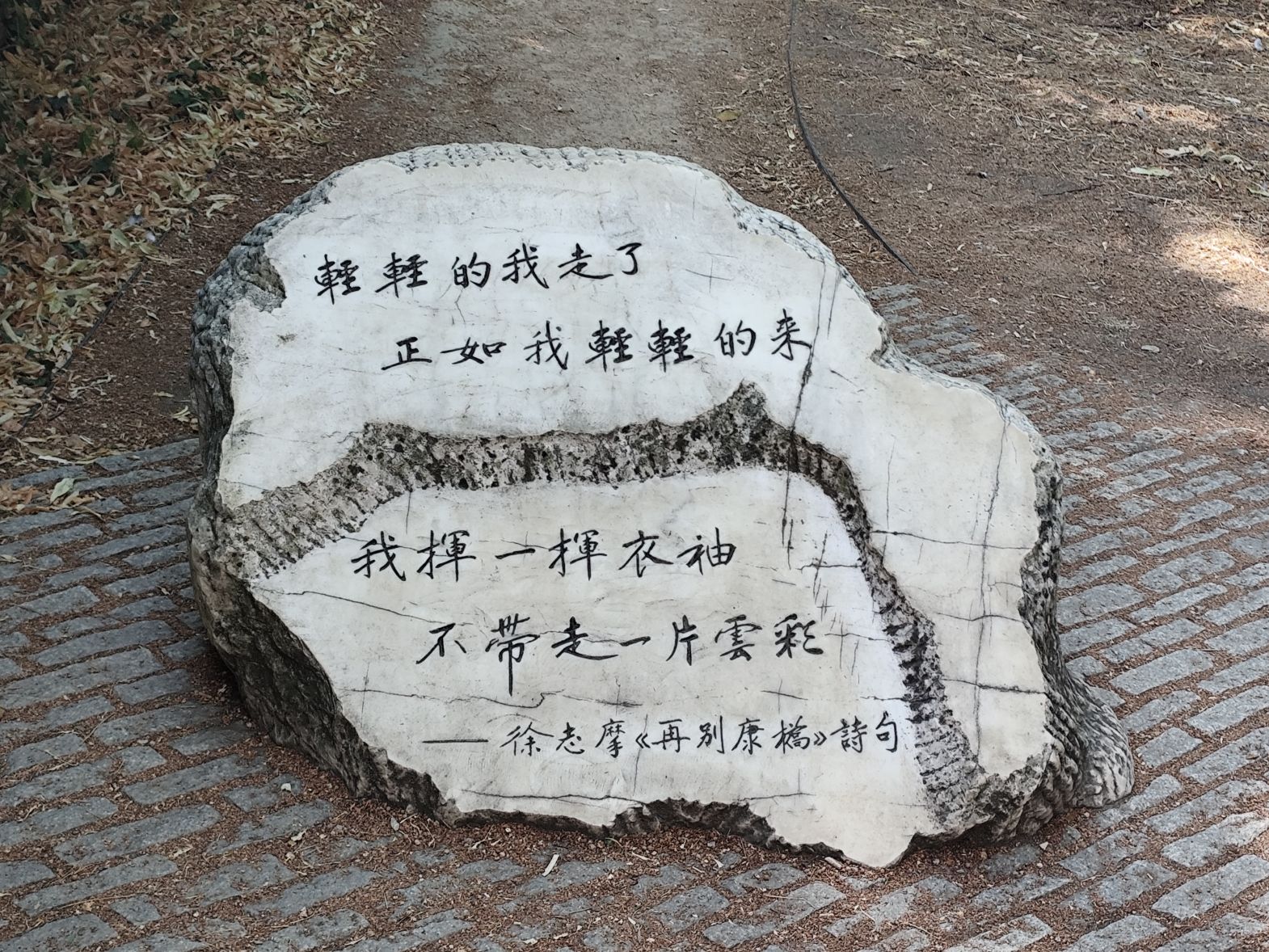
Figure 11 Lines from Xu Zhimo’s ‘Saying Good-bye to Cambridge Again’ beside the River Cam
Advancing Scholarship and Practice to Foster Internationally Minded Talent
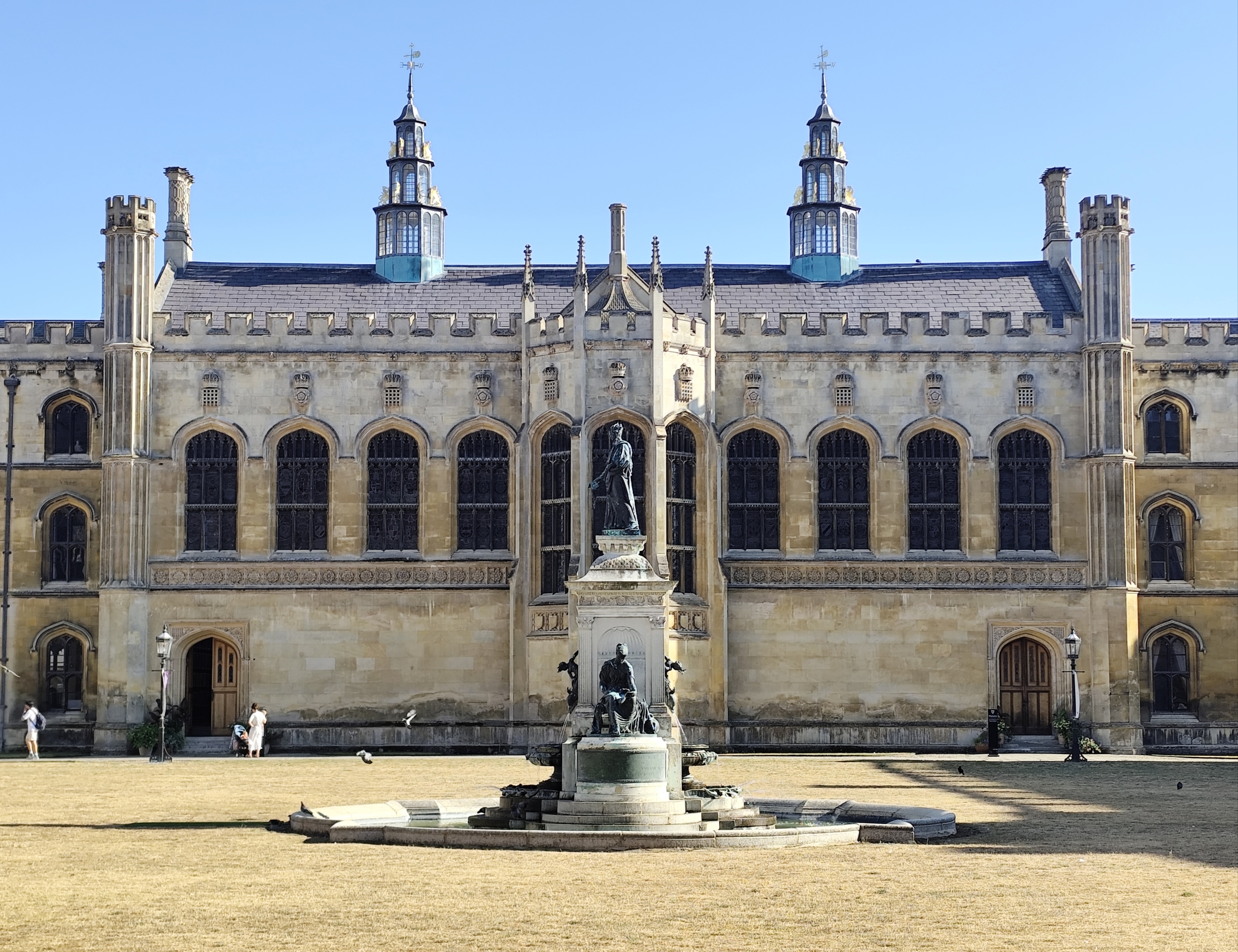
Figure 12 A view of King’s College, Cambridge, where programme activities took place
During the programme, students from the School completed their coursework, group research and English-language presentations while also compiling records of their exchanges. These materials developed into a research report of more than 10,000 Chinese characters, interview notes and recommendations for China–UK youth exchange in science and culture. From classroom study and dialogue with young people to digital outputs, the team transformed what they had seen and learned abroad into content that can be read, explored interactively and sustained beyond the visit itself.
By bringing academic research and social practice together in Cambridge, the programme enabled students from the School to strengthen their professional abilities through frontier courses and project-based learning, while enhancing their capacity for international communication through youth dialogue and cultural exchange. Against the backdrop of Southeast University’s ‘2026 Year of Internationalization’, this overseas academic research programme and social-practice initiative represented a vivid example of the School’s continuing efforts to expand access to high-quality international educational resources and to nurture young people with global vision and innovative capabilities.
Photography Zhang Ruohu · Fang Zicheng · Feng Mingcheng
Text SEU School of Electronic Science & Engineering UK Science and Culture Practice Delegation
Editors Wang Zuyao · Wang Haowen
Reviewed by Ye Jing